“At Talisman, every choice we make is guided by respect for the land, our growers, and future generations.” - Scott
Sustainable Viticulture & Closed-Loop Winemaking
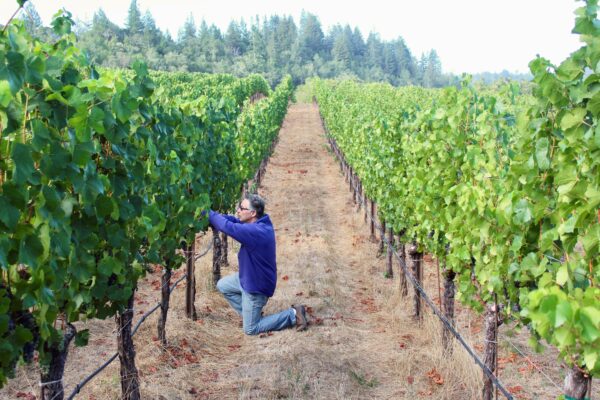
Our commitment to sustainability begins in the vineyard. All grape skins, stems, and pomace produced during winemaking are fully composted and returned to the soil, completing a natural nutrient cycle that nourishes the vines. This closed-loop approach reduces waste and supports long-term soil health.
Because of the small scale of our production and our careful waste practices, our winery produces so little landfill and recycling waste that we do not require commercial trash or recycling pickup.
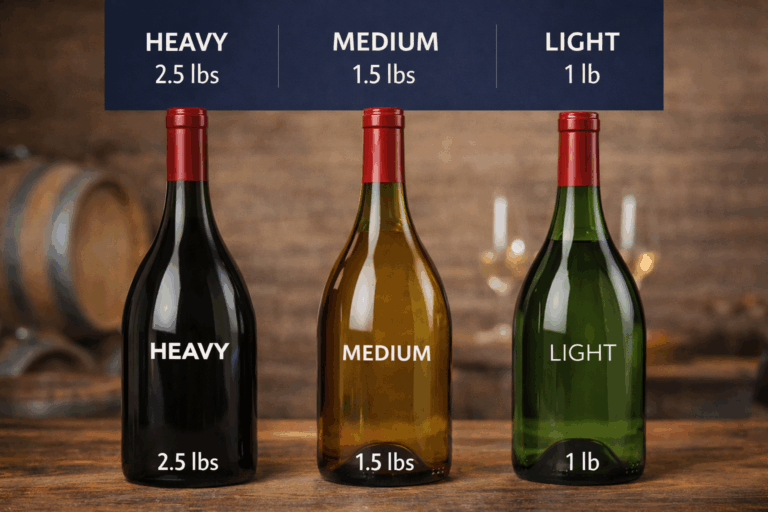
For decades, heavy wine bottles have been incorrectly associated with quality. At Talisman, we’ve always believed that great wine speaks for itself , without unnecessary weight. We use traditional, mid-weight Burgundy bottles, which require:
Less raw material to manufacture
Less energy during production
Lower fuel consumption during transport
Beginning with our 2022 vintage, we transitioned to lightweight wine bottles, further reducing our carbon footprint without compromising wine integrity. To minimize transportation emissions, our bottles are sourced exclusively from California and Mexico, keeping supply chains closer to home.
Responsible Labeling Practices
Until recently, Talisman used traditional cold-glue labels, applied with a classic bottling machine dating back to the mid-1980s. These labels used fewer materials and generated less waste than today’s pressure-sensitive alternatives.
While we’ve temporarily transitioned to pressure-sensitive labels due to equipment limitations, we are actively seeking solutions that allow us to return to cold-glue labeling.Our label partner, Herdell Printing in St. Helena, California, has long been an industry leader in sustainable printing practices, aggressively recycling:
Brass dies
Aluminum plates
Production materials
Video: Scott on labels, materials, and sustainability trade-offs
Solar-Powered Packaging
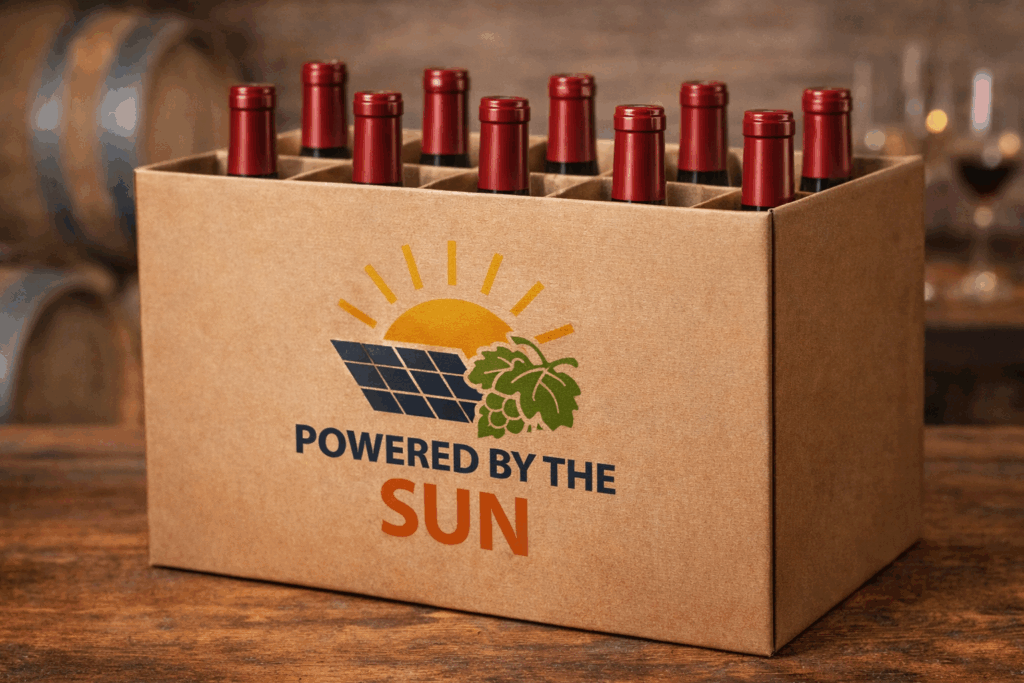
When our production volumes allow for custom packaging, we use unbleached kraft boxes produced in a facility powered entirely by solar energy.
These boxes:
Avoid bleaching chemicals
Reduce environmental impact
Support renewable energy manufacturing
Natural Corks from Sustainable Forests
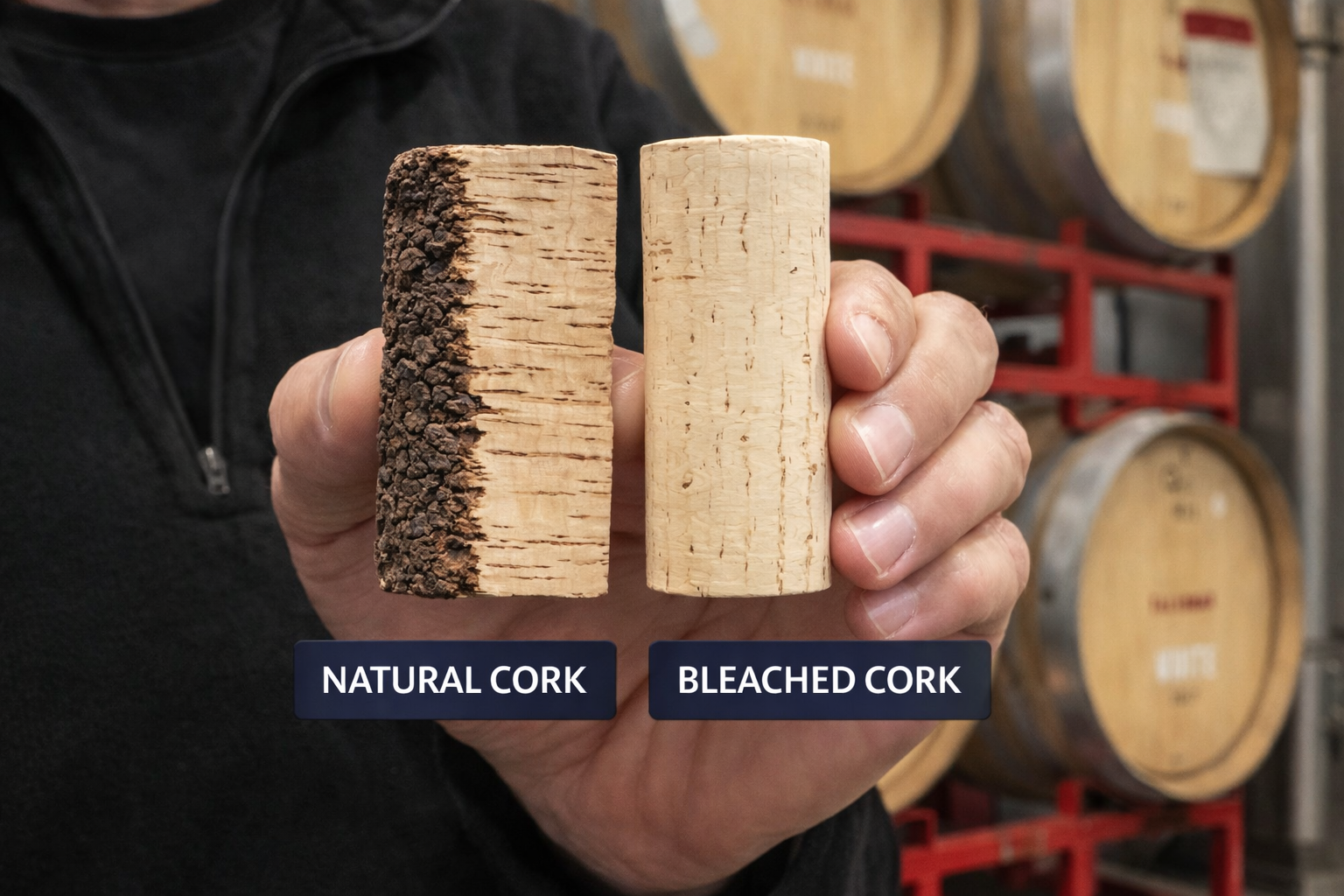
We use only natural corks, sustainably harvested from cork oak forests in Spain. Our corks are:
Unbleached
Free of fillers or cosmetics
Untreated to mask imperfections
Our cork supplier, Parramon Cork, is widely regarded as the world’s most environmentally responsible cork producer.
Their practices include:
Recycling process water back into municipal systems
Converting solid waste into biomass energy
Using solar power for supplemental electricity
Laser branding corks (eliminating ink production entirely)
Operating primarily during daylight hours to reduce energy demand
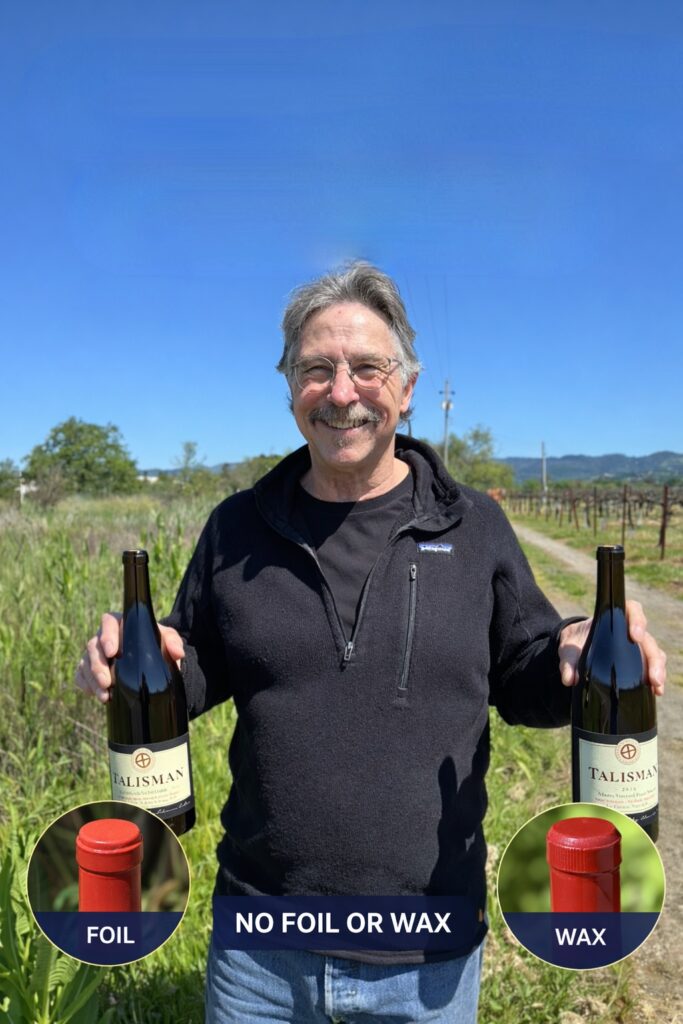
In keeping with our commitment to reducing unnecessary materials, we’ve chosen to move away from traditional capsules, foils, and wax seals altogether.
While these elements are often used for aesthetic or perceived luxury, they serve no functional purpose in protecting the wine.
By eliminating capsules entirely, we:
Reduce packaging materials
Lower production and transportation impact
Eliminate waste that typically ends up in landfills
Sometimes the most sustainable choice is simply doing less.
Video: Scott explains why we bottle without foils or wax
A Continuing Commitment
Sustainability is not a box we check, it’s a process we continually evaluate and improve. As technology evolves and better solutions become available, we remain committed to making decisions that balance environmental responsibility with wine quality.
This is how we honor the land, our growers, and everyone who opens a bottle of Talisman.